
Are Wood Countertops a Good Idea?
Wood countertops are a popular choice in kitchens. This kind of surface is extremely durable and looks beautiful in any setting. However, they also require special care and maintenance. Water can damage wooden counters over time, causing them to warp, split, and rot. While you can buy wooden countertops, you need to make sure that the counters are protected from water. The best way to do that is to treat them with a protective coating. Mineral oil is the best solution for butcher block counters. Neither mineral oil nor urethane finish is safe for food preparation.
The main disadvantage of wood countertops is that they require regular maintenance. Not only are these countertops more costly, but they can also reduce the value of your home. If you’re concerned about the resale value of your home, you may want to consider a laminate countertop. This type of material is resistant to moisture changes and has the advantage of being less porous than other countertop materials. Furthermore, wood tends to expand and contract with changes in atmospheric moisture, so it’s essential to choose a countertop material that’s thicker than the rest.
A major disadvantage of wood countertops is that they need to be treated regularly. You can buy tung oil or mineral oil that can help restore the wood’s look. However, it’s important to keep in mind that wood is extremely sensitive to hot and cold temperatures, so it’s best to use a dehumidifier to maintain a consistent temperature. Another disadvantage is that wood tends to warp or cup when exposed to extreme temperatures. So, make sure that you keep the room at a stable temperature.
If you’re thinking of adding a wood countertop to your kitchen, it’s important to know what type of wood you want to use. There are several types of wood available and each has its benefits. While they’re extremely beautiful, they also need maintenance. It’s important to keep in mind that wood can absorb moisture from the air and can therefore become discolored or damaged over time. So, you’ll need to take care of your wood countertops to keep them looking fresh and clean.
Although a wood countertop looks beautiful, it needs regular oiling. Tungsten and mineral oils are good options. They are also cheap and environmentally friendly. The only disadvantage of wood countertops is that they need to be oiled regularly. The best solution is to choose a company that offers sustainably-grown wood. You can then select the right kind of finish for your countertops. Aside from that, you can even choose to recycle your old ones, which is a great option if you don’t mind removing the countertop.
One of the major benefits of wood countertops is that they are easy to maintain and require little maintenance. They’re also great if you’re looking for a low maintenance countertop. But wood counters aren’t a good idea if you can’t keep up with the maintenance. And they’re not the best choice for every kitchen. Some people don’t like to spend the time to clean them. That’s why a high-quality, well-maintained wooden countertop is worth the effort.
Although you can find many different species of wood, most of the styles of wood countertops are the same. For example, the basic types of wood countertops are flat grain, end grain, and edge grain. Some of these are designed with checkerboard patterns or stripes. In addition to these three, wood counters can also be customized. A wood countertop supplier will help you choose the right type of wood for your kitchen. It’s crucial to understand the maintenance requirements and benefits of a wood countertop.
Wood countertops can last for decades and are inexpensive. They are low maintenance, but they don’t have the same low-maintenance qualities of quartz. In addition to cleaning, wood counters should be kept dry. In contrast to quartz, water can damage wood if not sealed properly. You’ll need to wipe any spills immediately, and seal them well. In the meantime, they can also be used as a functional and attractive surface in your kitchen.
From Open Exposure to Backed Commitments: Rethinking Owner Risk on a Bonded Job
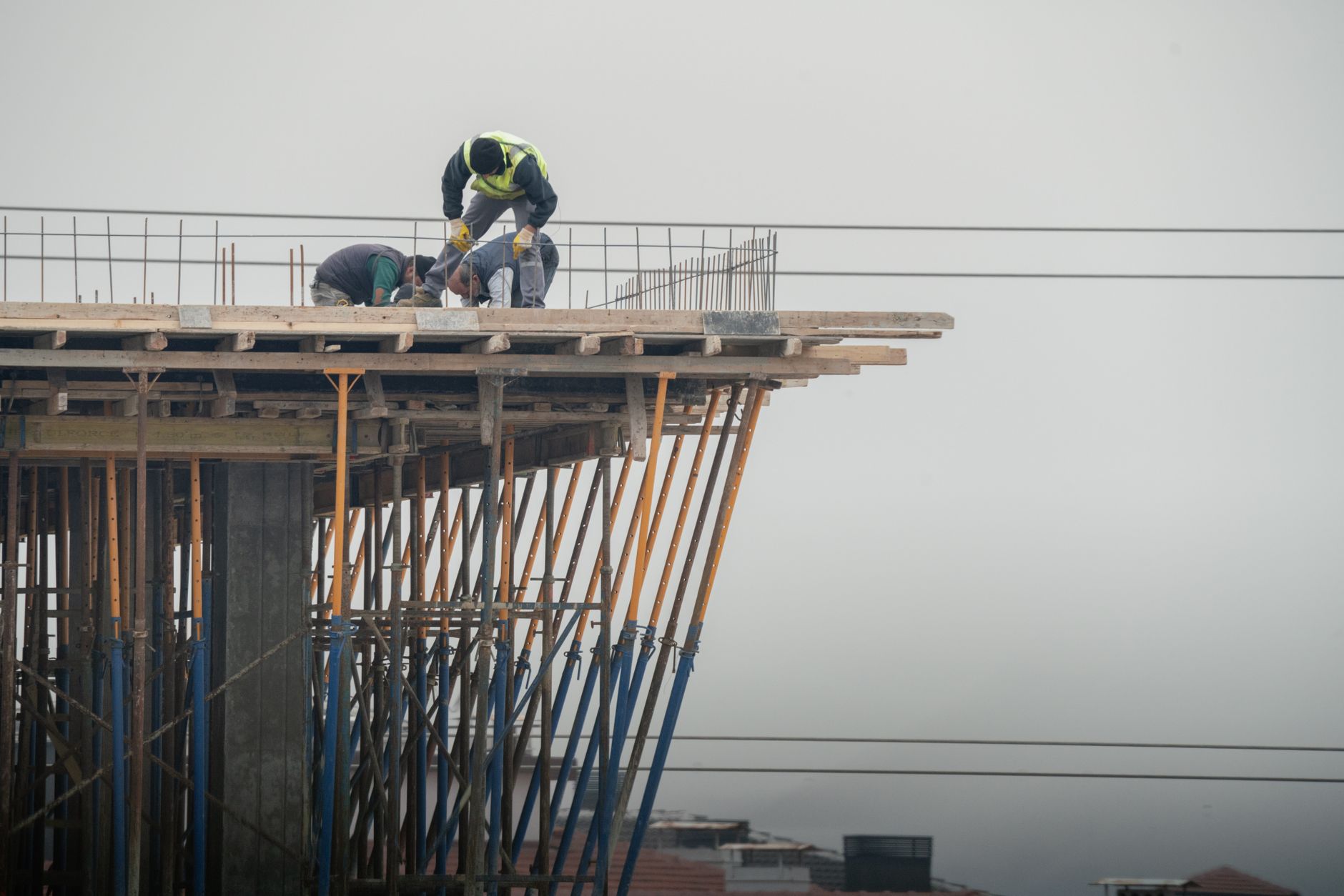
An unbonded contract rests on one thing: the owner’s confidence in a contractor it may have known for only a few weeks. A bonded contract rests on that confidence plus a financially backed promise from a third party. The two jobs can look identical on paper, with the same drawings, the same schedule, and the same price. The difference only shows up when something goes wrong, and by then it is too late to add it.
Unvetted Low Bidder vs. Prequalified Contractor
Without bonding requirements, the lowest number on bid day often wins. The owner usually knows little about whether that contractor has the cash flow, equipment, or staff to carry the work. A low bid can reflect efficiency, but it can also reflect a missed scope item or a company already stretched across too many jobs.
Requiring bonds changes who does the first round of screening. A surety will not back a contractor whose finances and track record do not hold up, so the bid pool is filtered before the owner opens a single envelope. The owner still evaluates the bids, but it is no longer the only one asking hard questions.
Subcontractor Payment Disputes vs. Payment Bond Protection
On an unbonded job, a contractor that stops paying its subcontractors and suppliers creates a problem that lands on the owner’s doorstep. Crews walk off, material deliveries stop, and the people who did the work start looking for anyone else who might pay them. The owner may have already paid the general contractor in full, yet still faces pressure for the same money a second time.
A payment bond redirects that pressure. Unpaid subcontractors and suppliers have a defined claim against the bond rather than against the owner or the property. Work is more likely to keep moving, because the people doing it have some assurance they will be paid.
Abandoned Site vs. Surety-Managed Completion
A contractor that walks away from an unbonded project leaves a partly finished structure, a missed opening date, and a hard choice. The owner must find a replacement, usually at a higher price, and cover the gap out of pocket, then try to recover the loss from a company that may already be insolvent. Recovery is often slow and rarely complete.
With a performance bond, default triggers an obligation instead of a dead end. The surety investigates and can then finance the original contractor’s completion, arrange a replacement contractor, or pay to cover the cost of finishing, within the bond limit. The owner moves from searching for a way out to working through a set of options.
Lien Clouds vs. Cleaner Title and Fewer Claims
Unpaid parties can file liens against the property, and a single lien can delay a refinancing, a sale, or a final payment. Owners on unbonded jobs often spend months untangling claims that began as a dispute between a contractor and a supplier.
Bonds do not erase lien rights in every situation, and the details vary by jurisdiction and project type. On public work, a payment bond often takes the place of lien rights altogether. On private work, bonding claims can be resolved without the property being tied up. In either case the owner’s title is under less strain and fewer claims reach it.
Owner Scrambling vs. a Defined Default Process
When a default happens without a bond, nobody has a script. The owner calls attorneys, rebids the work, and negotiates with angry subcontractors, all while the project sits idle. Each decision is made under pressure, and each one costs money.
A bonded job comes with a sequence. The owner notifies the surety, the surety investigates, and the surety chooses a remedy under the bond terms. The principal, obligee, and surety roles are what make this possible: the contractor owes the performance, the owner is the protected party, and the surety answers when the contractor cannot. Because each party’s duties are set out in advance, the owner follows a process rather than inventing one.
Where the Change Stops: Bonded Projects vs. Risk-Free Projects
It would be a mistake to treat a bond as a guarantee that nothing will go wrong. Bonds are capped at a penal sum, claims must be made properly and on time, and the surety may dispute a claim it believes is invalid. Delays can still occur, and a replacement contractor may still cost more than the original. Owners who skip good contract administration, such as monitoring progress and documenting problems early, weaken their own position.
What changes is the shape of the exposure. Risk that once sat entirely with the owner is shared with a party that has financial capacity and a reason to see the job finished. That is a meaningful shift, but it is a reduction in risk and not an end to it.
Takeaways
- Bonding adds a second screening of the contractor before the owner commits.
- Payment bonds move subcontractor claims away from the owner and the property.
- Performance bonds replace improvisation after a default with a defined process.
- A bond reduces exposure up to its limit; it does not remove the need for active oversight.
Inside a Performance Bond Claim: How the Surety Steps In to Finish the Work

Many owners assume a performance bond works like an insurance policy: the contractor fails, the owner files a claim, and a check arrives. That is not how it operates. The bond is a guarantee that the contract will be performed, and the surety’s first obligation is usually to get the work finished, not to hand over cash. Understanding that difference explains most of what happens after a default.
The Three-Party Agreement Behind the Bond
A performance bond involves three parties. The contractor is the principal, the one whose performance is being guaranteed. The owner is the obligee, the party protected by the bond. The surety is the company that stands behind the contractor’s promise. The bond form ties the surety to the underlying construction contract, so the surety’s duties are measured against what the contractor agreed to build, on what terms, and for what price.
Two features shape everything that follows. First, the surety’s obligation is derivative: it generally cannot be asked to do more than the contractor was required to do, and it can raise many of the same defenses the contractor could. Second, the surety is not the ultimate bearer of the loss. The contractor signs an indemnity agreement promising to reimburse the surety, which is why sureties tend to act as managers of a failing job rather than as passive payers.
Conditions That Must Be Met Before the Surety Has to Act
The surety’s duty to perform does not begin the moment a project falls behind. Standard bond forms set out steps the owner must complete first, and skipping or fumbling them can weaken a later claim. Although wording differs from form to form, the sequence usually runs like this:
The owner notifies the surety in writing that it is considering declaring the contractor in default. The owner then offers a conference, often within a short window, so the surety, contractor, and owner can discuss the problems and possible fixes. If the matter is not resolved, the owner declares the default and terminates the contractor’s right to complete the work, again with written notice to the surety. Finally, the owner agrees to make the unpaid contract balance available to the surety or to whoever finishes the job.
The logic is straightforward. The surety needs early warning and a chance to investigate before its obligation attaches, and it needs the remaining contract funds to pay for completion. An owner who keeps paying a struggling contractor, or terminates without notice, may find the surety arguing that its position was prejudiced. Anyone facing this should read the specific bond form closely and involve counsel; this is a description of the mechanics, not legal advice.
The Surety’s Four Ways to Respond
Once the conditions are satisfied, the surety investigates and chooses a path. Typical forms give it four options.
It can finance the existing contractor, supplying money or support so that contractor finishes. This suits cases where the problem is cash flow rather than competence. It can take over the project and complete it directly, hiring its own contractors to finish under the original contract. It can tender a replacement contractor, one the owner accepts, who signs a new agreement to finish the work, with the surety covering costs above the remaining contract balance. Or it can pay: either the penal sum, or the amount the surety determines it owes after evaluating the claim, leaving the owner to arrange completion.
Surety choices vary with the stage of the job, the quality of work so far, and the market for replacement contractors. Owners often prefer a tendered replacement because it keeps the schedule moving with a contractor of known capability.
How Completion Costs and the Penal Sum Fit Together
The money works as a comparison. The owner still holds the unpaid portion of the original contract price. If finishing the work costs more than that balance, the difference is the loss the bond covers. Take a simple illustration: a $2,000,000 contract, with $1,200,000 already paid and $800,000 remaining. If completion costs $1,100,000, the shortfall is $300,000, and that is the core of the surety’s exposure. The owner does not receive the full contract amount just because the contractor defaulted.
The penal sum, usually equal to the contract price, is the ceiling on the surety’s liability. Depending on the form, certain extras such as completion-related delay damages or the surety’s own investigation costs may be addressed, but the bond amount remains the outer limit. Owners reviewing completion guarantees for project owners will notice the same pattern: the protection is real, but it is measured against the contract balance and capped by the bond.
A last practical reminder: a bond is only as useful as the file behind it. Keep a current copy of the executed bond and contract, log every payment and change order, confirm the surety’s notice address, and review the notice steps well before trouble arrives, not after.
When You Wing It on Moving Day

By nine o’clock that night, a family is sitting on an unmade mattress eating cold takeout, surrounded by thirty identical boxes they cannot tell apart, with a rented truck still half full in the driveway. That is the usual ending when a move gets improvised. The reason it goes that way is rarely laziness. It is the belief that moving is just lifting things and driving them somewhere, and that any detail can be sorted out in the moment. The moment, it turns out, has a way of stacking up.
The morning you wake up with no plan
You open your eyes already behind. There is no list taped to the fridge, no idea who is coming or when, and no sense of what goes first. The kitchen is still full. The hallway is a maze. You decide to just start, which feels productive for about twenty minutes, until you realize you have wrapped three lamps and forgotten to find a single roll of tape. Momentum without direction mostly produces motion.
What happens if the boxes aren’t labeled?
Every unlabeled box is a small gamble you will lose later. In the rush, a sealed carton looks finished, so you move on. But a box with no word on it is a box you will open four times searching for the coffee maker. Fragile items get stacked under books because nothing told the next person to be careful. The cost of skipping a marker in the morning is paid in hours at the other end, usually in the dark, usually while hungry.
The truck that shows up half empty
Without a plan, nobody measured anything. The truck arrives and it is either too small to hold the sofa and the dresser together, or it is far too big and everything slides around loose. You improvise the load, stacking by whatever is nearest the door rather than by weight or shape. Air fills the space that furniture should. What should have been one trip becomes two, and the second trip eats the part of the day you did not budget for.
Running out of daylight before the last load
This is where the improvised move quietly falls apart. In the long summers of a northern climate you get generous light, but it still ends, and an afternoon that started late never catches up. The last load happens by porch bulb and phone flashlight. Stairs you managed easily at noon become hazards. Tired people drop things. Corners get dinged. The final hour of an unplanned move does more damage than the whole middle of it.
When friends bail and the crew saves the day
You counted on three friends. One texts that something came up, another never confirmed, and the third shows up but hurts his back on the first dresser. Suddenly the whole operation rests on two people who are already spent. This is the point where households that were winging it start calling around for help, and a crew like pink bird moving ends up finishing in two steady hours what the volunteers could not. Professionals bring not just arms but a sequence, which is exactly the thing the morning never had.
The unpacking nightmare that follows an unplanned move
The consequences do not stop when the truck is empty. Boxes landed in whatever room had space, not the room they belong to. Bedding is somewhere, toothbrushes are nowhere, and the first night in the new place means sleeping without half of what makes a home function. Days later you are still living out of cartons because nothing was grouped, nothing was marked, and no one knew what was urgent. An improvised load becomes an improvised month.
Could a single checklist have changed everything?
Almost all of it, yes. A page written the night before, listing rooms in order, who arrives when, what size truck to book, and which boxes to load last because they come off first, would have removed nearly every failure point above. It would not have made the move effortless, but it would have made it finishable before dark. The strange truth of moving day is that the paperwork you resent doing is the part that protects the muscle you are proud of. Improvisation feels brave in the morning and expensive by midnight.
Deck Builders in the Kansas City and Kansas City, MO Areas

If you are looking for a top-notch deck builder Kansas City area, consider Brunner’s Quality Decks. The family-owned company has been building quality decks in the Kansas City area since 1998, offering expert workmanship, high-quality materials, and attention to detail. In fact, the company has received the Ange’s List Super Service Award for eight straight years. We look forward to helping you build your dream deck!
Heartland Custom Decks
In a recent study, Heartland Custom Decks in Kansas City, MO, received half of their leads from organic search engine results. While this type of search engine optimization can take some time to show results, the payoff is high, especially if your business is centered around great content, customer reviews, and social media participation. By focusing on content-driven SEO, Heartland Decks was able to achieve top page visibility on Google for terms like “deck builders in Kansas City.”
DW Elite Decks
If you are looking for a deck construction company in Kansas City, look no further than DW Elite Decks. They specialize in custom deck design and construction, pergolas, and masonry hardscapes. With the best staff in the business and A-class construction license, they provide excellent craftsmanship and customer service. They also provide buyer intent data, anonymous visitor identification, first-party data integration, and massive contact databases. If you want your deck construction project done right the first time, DW Elite Decks is the way to go.
Spraytech Renovation & Remodel
If you’re planning to build a deck on your home, you should contact a Kansas City, MO deck builder. Spraytech Renovation & Remodel is a local company with extensive experience in deck construction. They specialize in building wood decks, frame deck joist systems, footers, railing posts, lighting, and other exterior and interior remodeling services. Their services also include painting, drywall installation, trim carpentry, and fencing. You can also call them for handyman projects.
Creative Concepts & Design LLC
For outdoor living, consider hiring deck builders in Kansas City who specialize in designing and building custom decks. The deck building company utilizes the latest technologies, including computer-aided design, satellite mapping imagery, and GPS locators, to ensure the finished product meets your needs and the code requirements of your municipality. The company also handles all necessary permits. Customers can expect exceptional customer service and affordable prices. To learn more about deck builders in Kansas City, contact their website.
Urban Designs & Development
If you’re in need of a deck builder in Kansas City, you’ve come to the right place. Urban Designs & Development uses state-of-the-art technology to design your outdoor space. From computer-aided design and satellite mapping imagery to GPS locators and a team of landscape architects, they’ve got you covered. Not only will they design your deck, but they’ll handle all the permitting and paperwork too.
Moonlight Decks
If you want to add style and beauty to your deck, look no further than Moonlight Decks in Kansas City. This company creates custom lighting solutions for decks. They use aluminum-based materials, which means your deck will stand the test of time. You can even get them to install lighted post caps. You can also get them to build stamped concrete patios, pergolas, and screened porches. No matter how big or small your deck is, you’ll love the look of their products and services.
Luxury Yacht Rentals in Dubai

There are several luxury yacht rental companies in Dubai, but choosing the right one can be tricky. Fortunately, there are several options that are both luxurious and affordable. Check out these companies: Easy Yacht, Xclusive Yacht, and 5 Star Yacht Rental. Then, use our handy comparison chart to decide which one is best for you. What kind of amenities will you need on a yacht? How much money are you willing to spend?
Xclusive Yacht Rental
If you’re looking to rent a yacht in Dubai for a special occasion, consider Xclusive Yacht Rental. With a fleet that includes everything from a 50-foot Riva yacht to a 200-person Desert Rose yacht, they have the right yacht for you. And if you don’t need a large yacht, you can also rent one of their 40-foot cruisers with AC cabins for about 500-600 per hour.
5 Star Yacht Rental
For a luxurious and memorable yacht rental experience, choose one of the many options available through 5 Star Yacht Rental Dubai. From the 50-foot Riva Yacht to the 200-person Desert Rose Yacht, they have a wide range of luxurious yachts for rent in Dubai. You can even book a yacht for your special occasion such as a wedding. A 40-foot cruiser will set you back AED 500-600 for a two-hour charter. It is equipped with an AC cabin for 12 passengers and a spacious deck for entertaining guests.
Easy Yacht
When you are planning to spend your next special event on the water, you should consider booking a boat from Easy Yacht. These professional yacht rental companies are operating in the marina for the past 12 years, providing top-notch service to their clients. Easy Yacht rentals are the perfect option for large events, weddings, and deep-sea fishing trips. In fact, Easy Yacht rental Dubai can cater to every need you may have. To find out more, read on.
Royal Yachts
The luxury yacht rental company Royal, which was established in 2011, has a wide range of luxurious yachts available for rent, charter and sale. The company provides services throughout the Middle East, all of the major yachting destinations worldwide, and is a leading yacht brokerage in the region. Its team of yacht experts will assist clients with any of their needs from yacht design and construction to cruising the world. To ensure their customers have an unforgettable yachting experience, Royal Yachts has the most knowledgeable staff and professional fleet available.
Desert rose
The Desert Rose is a luxurious hire luxury yacht, with a deck area of more than one hundred square meters. It is equipped with a dance floor, two home theaters, 20 television screens, and an intelligent automated yacht management system. It is a perfect yacht for a big party or family celebration in Dubai. Its crew and captain represent the spirit of the cabin cruiser. They ensure that every guest is treated like royalty and the entire event runs smoothly.
Bendigo Concreters
Four local concreters have dyed their hair fluorescent colours in a bid to raise $10,000 for blood cancer support. This fundraiser is in memory of Cath, who passed away aged 47 following a long battle with the disease. The four concreters have been working together for a few years now and hope to raise at least as much as they can for Cath’s family. In order to help them achieve this goal, they’ve each contributed $50 to the cause.
Jason Concretes
When you need the services of professional Bendigo concreters, contact Jason Concretes. This concrete company will not only provide you with competitive quotes, but will also help you through the entire process. Jason has over three decades of experience in the concreting industry, and has worked with both commercial and residential clients. You can trust them to give you a stress-free experience, regardless of your project’s size or purpose.
ACS Bendigo
ACS Bendigo Pty Ltd is a local concreting company that specializes in commercial construction throughout Central Victoria and the Metropolitan Area. They have completed commercial projects across Central Victoria, including the Kangaroo Flat Leisure Centre facility, the Dame Phyllis Frost Correctional Centre in Deer Park and the Dhurringile Prison in Murchison. Other notable projects that ACS Bendigo has worked on include the $50 million redevelopment of St John of God Hospital and Queen Elizabeth Oval in Bendigo.
ACS New South Wales hosts a variety of educational events that focus on professional development, advancing industry insights, and providing frontline news on emerging technologies. ACS members have the opportunity to network with their peers in this collaborative workspace. They can also attend educational workshops and participate in curated events to learn about new technologies and the latest innovations in the industry. If you are looking for a new career opportunity in the industry, ACS NSW can help you find it!
Tips For Roof Replacement on the Sunshine Coast

Roofing experts on the Sunshine Coast visit website can replace your old roof with a new one that fits your needs and lifestyle. There are several different types of roofs to choose from, and some options are better suited for specific purposes than others. Some of these options include the Gambrel roof, Dutch gable, and more. Below are some tips to choose the right roof material and roofing contractor. Read on for tips on choosing the right type of roof for your Sunshine Coast property.
Asbestos roof removal
Asbestos is a common material that is present in older homes, particularly those that were built before 1990. If you have an asbestos roof, you should get it removed by a professional. Asbestos roof removal Sunshine Coast specialists can remove your asbestos roofing with complete safety and security in mind. This type of removal is strictly regulated, and you should only use licensed asbestos roof removal companies. This type of roofing material was commonly used in cement roof tiles, corrugated cement sheets, and gutters.
The process of asbestos roof removal involves covering the asbestos sheets with plastic and removing them safely. The asbestos is then wrapped in Builder’s plastic and taken to an asbestos waste disposal depot in Sunshine Coast. In order to prevent the spread of asbestos, roofing contractors wear full protective gear, including masks and respirators. In addition, construction sites are zoned and signs posted to warn residents and pedestrians. Asbestos roof removal Sunshine Coast is the best option for your home or commercial property.
Choosing the right roof material
Despite the many benefits of copper, it may not be the best choice for all homes. A copper roof can be quite noisy, but you can mitigate the effect with noise-dampening layers. Its durability may also be compromised by the presence of extreme weather conditions, such as a fire or a tornado. Still, copper is an exceptional material. It has a long life expectancy, adds to the value of your home, and has an unmistakable aesthetic appeal.
Concrete tiles are relatively new and have several advantages. They are lightweight and resistant to damage caused by high moisture. Slate tiles can last for hundreds of years. While their price tag is higher, they are also impact-resistant and can help your home remain cooler than other types of roofs. Nevertheless, they can be more expensive than other materials and are best for those who are on a budget. For more information, you can check out the Complete Guide to Purchasing a Roof
Choosing the right roofing contractor
When it comes to replacing your roof, it is important to choose the right company. In Australia, asbestos is common. If your home was built before the nineties, it may contain asbestos cement. While asbestos cement is safe, it can begin to emit toxic fibres as it ages. You don’t want to be exposed to these fibres, but you also don’t want to risk losing the value of your home. If you’re interested in roof replacement, be sure to ask about your options and choose the right roofing contractor.
Roofing contractors with local offices are usually familiar with the area. They will know what materials are best for your area. They will also have knowledge of local suppliers and crews. You can also ask for local referrals to see if people have had good experiences with certain companies. Moreover, some companies have been awarded a manufacturer designation. This means that they have met certain requirements in order to work with the company.
Cost of a new roof
How much does it cost to have a new roof on a Sunshine Coast home? There are many factors that influence the cost of a new roof, from the type of material used to the support structures on the roof. The amount you’ll spend will depend on factors such as the roof’s total square footage, accessibility, and the type of materials you choose. The Sunshine Coast is home to numerous excellent roofing companies, so comparing quotes from various providers is recommended.
The cost of a new roof on the Sunshine Coast can vary greatly depending on the type of material that is used and the level of damage. For example, if you’re just having a leaky roof repaired, it won’t cost you a lot of money. But if you want a complete restoration, it’s likely to cost more. A professional assessment will help you determine the exact cost.
The Benefits of a Handmade Rug

What are the benefits of a handmade rug? A hand-made rug has several benefits. The most notable one is the uniqueness of the design. Each handmade rug has a unique story to tell, and it is worth considering if you want to create an exotic interior decor. Another benefit of handmade rugs is their durability. If you want to maintain the beauty of your rug, you will have to take care of it properly. Handmade rugs are durable because of the aftercare given to them.
Uniqueness
Handmade rugs can have several key differences. For starters, the knots are never exactly the same. A handmade rug may have large knots, while one with a smaller knot may have a twirl in the middle. Handwoven rugs may also have knots that are smaller than the others or knots that are not symmetrical. Handmade rugs are more difficult to make than machine-made ones, which means that the knots may be larger or smaller than those that are produced by machines. Additionally, they often take longer to make than machine-made rugs.
Naturalness
One of the first things to look for in a handmade rug is naturalness. These rugs are not made by machines, so there is bound to be some variation in color from one piece to another. While these variations are normal and often desirable, they also serve as a sign of authenticity. In addition, if you plan to keep the rug in direct sunlight, be aware that it will likely fade over time. To minimize the fading effect, rotate the rug at least once a year.
Beauty
The first thing to know about handmade rugs is that they are made with much more care and attention than a machine-made rug. They are woven by hand with natural materials such as wool or silk, instead of synthetic fibers. They will last longer as well, making them a good investment if you plan to use your rugs as focal points. Handmade rugs will also require regular cleaning, which is not necessary with machine-made rugs.
Durability
Handmade rugs are incredibly durable. The knots are tightly woven together in a pattern, and the number of knots per square inch varies dramatically. These rugs can last for hundreds of years in the hands of a skilled craftsman. The following are some factors to consider when choosing a handmade rug. Read on to learn more about the durability of handmade rugs. If you’re considering a rug for your home, take some time to compare the different types of materials and construction.
Eco-friendliness
Aside from being a gorgeous addition to your home, handmade rugs are also incredibly eco-friendly. Some of the best examples of eco-friendly rugs are those from companies such as The Citizenry and Made Trade. These companies make rugs using sustainable and biodegradable materials, such as sisal, which comes from the leaves of the Agave plant. Choosing eco-friendly cotton is also important. Organic or recycled cotton is best, as conventional cotton production practices include heavy use of pesticides and water wastage. Another type of eco-friendly handmade rug is one made from jute, which comes from a tropical plant. Jute rugs come in a variety of colors, including brown, gold, and an earthy tone.
Cost
Whether you are interested in buying a traditional area rug or a unique one-of-a-kind piece, the price of a handmade rug is often determined by its quality and style. The most expensive type is made of silk, as this material is exceptionally fine and has a sheen. Because it is very strong, it allows the weaver to create lifelike details in their designs. Because it takes so long to create, these items are often quite expensive.
Sod Installation in Harlingen and Lubbock
Are you thinking about SOD Installation Lubbock? Read on to discover the process, costs, and timeline of the process. The process of sod installation in Harlingen or Lubbock can be stressful, but with the help of these tips, you can be prepared for the experience. Here are the steps to sod installation in Harlingen or Lubbock. Read on to learn how to choose the right lawn for your needs. After all, no one wants to spend time looking at a lawn that’s not very attractive.
Cost of sod installation in Harlingen
If you’re in the market for a new lawn, you’re probably wondering how much sod installation in Harlingen will cost. You can find out by using ESFS, a free online service that matches your needs with a local tradesman or supplier. In as little as three minutes, you can get free estimates on the cost of sod installation in your Harlingen, Texas, yard.
The cost of sod installation in Harlingen depends on several factors. The area you’re sodding and the amount of grass you want to have installed. Some landscapers will charge you $1 to $2 per square foot, which is a lot, compared to just about a penny per square foot when you purchase sod. If you have an irregular-shaped yard, a professional installer will likely want to measure it in person before giving you a quote. Also, a lawn roller cannot go over rocky hills or curves.
Cost of sod installation in Lubbock
When it comes to determining the cost of sod installation, many factors go into the calculation. The grade of the turf used, terrain, and size of the yard all determine how much it will cost. Many contractors charge by the hour, while others bill by the project. By asking the contractor several questions, you can learn how the job will be billed and if there are any special discounts or financing options available. You can also ask about sales tax.
Depending on the size of your yard, sod delivery charges can range from $50 to $100. Some companies waive this fee if you have a large enough project. Sprinkler systems are usually another cost, ranging from $90-800 per zone. Sprinkler systems operate with a common irrigation valve and a timer. The installer must bring the sod from the supplier to the job site. If you choose to have irrigation installed, you should ask for an estimate for labor.
Timeline for sod installation in Harlingen
If you’re looking to install sod in your yard, you need to know about the proper timetable for the process. Before sod installation can begin, you must prepare the soil. Typically, this is done with soil testing, which determines how much lime or fertilizer to apply. Aerating and fertilizing your soil are also important steps to take before installing sod. Hiring a professional to do these tasks is also a good option.
Sod needs about 10-14 days to establish roots. It should be watered liberally on the first day. Mowing should be done at a high setting to prevent cutting the new sod too closely to the root. Make sure to keep pets and kids off of the newly installed sod. The following steps will help the sod get established in your yard and thrive. Once you’re done with the installation, you’ll need to water it a few times per day.
Deck Builders on the Central Coast

If you’re looking for a quality team of deck builders Central Coast, VDS Carpentry has you covered. With creative flair, inspired material choices, and solid functionality, they create custom-designed decks for the Central Coast region. For your deck, you can choose from a range of materials including Merbau Decking, which is the preferred choice of many Central Coast homeowners. Its high density makes it a great choice for outdoor decks and also meets AUS Standard AS3959. In addition, you can even use it in bushfire-prone areas without treatment.
Treated pine
In addition to adding value to your home, you can enjoy the benefits of a quality treated pine deck built by experienced Central Coast deck builders. The premium grade wood that is available in treated, oiled, or untreated varieties is ideal for large and small decks. Many outdoor applications can be accomplished with this durable wood, including swimming pools, verandas, gardens, walkways, and other areas of your property. A deck can be a wonderful way to extend your living space, especially for families.
Stringy bark
Stringy bark has several benefits and is an excellent choice for building a deck. It has a three-year durability rating, and the worm holes and gum veins give it character and charm. While the yellow variety is generally more durable than the red variety, you can also choose from a wide range of other colours. This type of wood is expensive compared to most other timbers, and is not a good choice for DIY deck builders.
Blackbutt
If you’re considering a deck or a pergola for your garden, consider the advantages of Blackbutt decking. This native Australian timber is hard, durable, and naturally fire-resistant. Not only does it look great, but it also needs less maintenance than other types of timber. However, the timber is not termite-resistant and can split and crack. If you want to avoid these problems, consider other wood types.
Jarrah
Choosing Jarrah for your deck can be an excellent choice for many reasons. It is naturally resistant to rot and termites, and its density makes it relatively fireproof. In addition, Jarrah is also exceptionally durable, enduring extreme weather conditions and requiring minimal maintenance. Because of its interlocked grain, it is not easily machined, and should be sanded regularly. It also accepts stain, oil, and polish well.
Jarrah with acetylated timber
Jarrah has a reputation for being resistant to rot, marine borers, and weathering, and it is dense, hard, and fire-resistant. These properties make it a great choice for a deck, fence, or other exterior structure. It is also highly valued in furniture, joinery, and parquetry due to its resistance to bushfires. In addition to its durability, Jarrah also looks fantastic when weathered.